Sustainable Interior Design Ideas for Modern Homes: Low-VOC & Circular Materials
Indoor air can contain 2 to 5 times higher concentrations of pollutants than outdoor air, primarily due to off-gassing from formaldehyde glues in composite furniture, volatile organic compounds (VOCs) in paints, and toxic flame retardants in synthetic upholstery. True sustainable interior design moves far beyond superficial green marketing. It requires a holistic commitment to non-toxic indoor air chemistry, certified responsible timber harvesting, circular materials that can be repaired or recycled, and timeless architectural aesthetics designed to endure for decades rather than following fast-furniture disposable trends.
Indoor Air Chemistry: Zero-VOC Paints & Mineral Wall Finishes
Conventional acrylic paints release volatile organic compounds for up to six months after drying, contributing to headaches, respiratory irritation, and poor sleep.
Specify paints with Zero-VOC (< 5 g/L) formulations or explore natural mineral finishes: - Limewash & Clay Plasters: 100% natural, non-toxic, and naturally breathable. They regulate ambient room humidity by absorbing excess moisture and releasing it slowly, inhibiting mould spores. - Natural Silicate Paints: Bond chemically with plaster and stone, creating a durable, matte crystalline finish that never peels or off-gasses.
FSC-Certified Solid Timber vs. Off-Gassing Particle Board
Cheap flat-pack furniture relies on medium-density fibreboard (MDF) bound with urea-formaldehyde resins. These items degrade within 3 to 5 years and cannot be recycled, ending up directly in landfills.
Invest in solid timber pieces carrying FSC (Forest Stewardship Council) or PEFC certification, assembled with traditional mortise-and-tenon or dowel joinery. Solid oak, walnut, or ash can be sanded, refinished, and passed down across generations, embodying true circular design principles.
- ✓Look for FSC 100% or FSC Recycled certifications on timber products.
- ✓Verify that finishes use cold-pressed linseed oils, beeswax, or plant-based hardwax oils.
- ✓Avoid bonded leather and vinyl (PVC) upholstery in favour of Oeko-Tex certified organic wool, linen, or hemp.
Frequently Asked Questions
Expert clarifications and real-world considerations
Editorial Summary
Sustainable interior design creates spaces that nurture both the occupants and the planet. By prioritizing non-toxic finishes, enduring solid craftsmanship, and circular natural materials, you craft a home of lasting integrity and serene beauty.
Written by Elena Vance
Staff ContributorWith over 14 years in residential spatial planning and interior architecture, Elena specializes in small-space optimization, biophilic textures, and lighting design.
Related Architectural & Home Guides
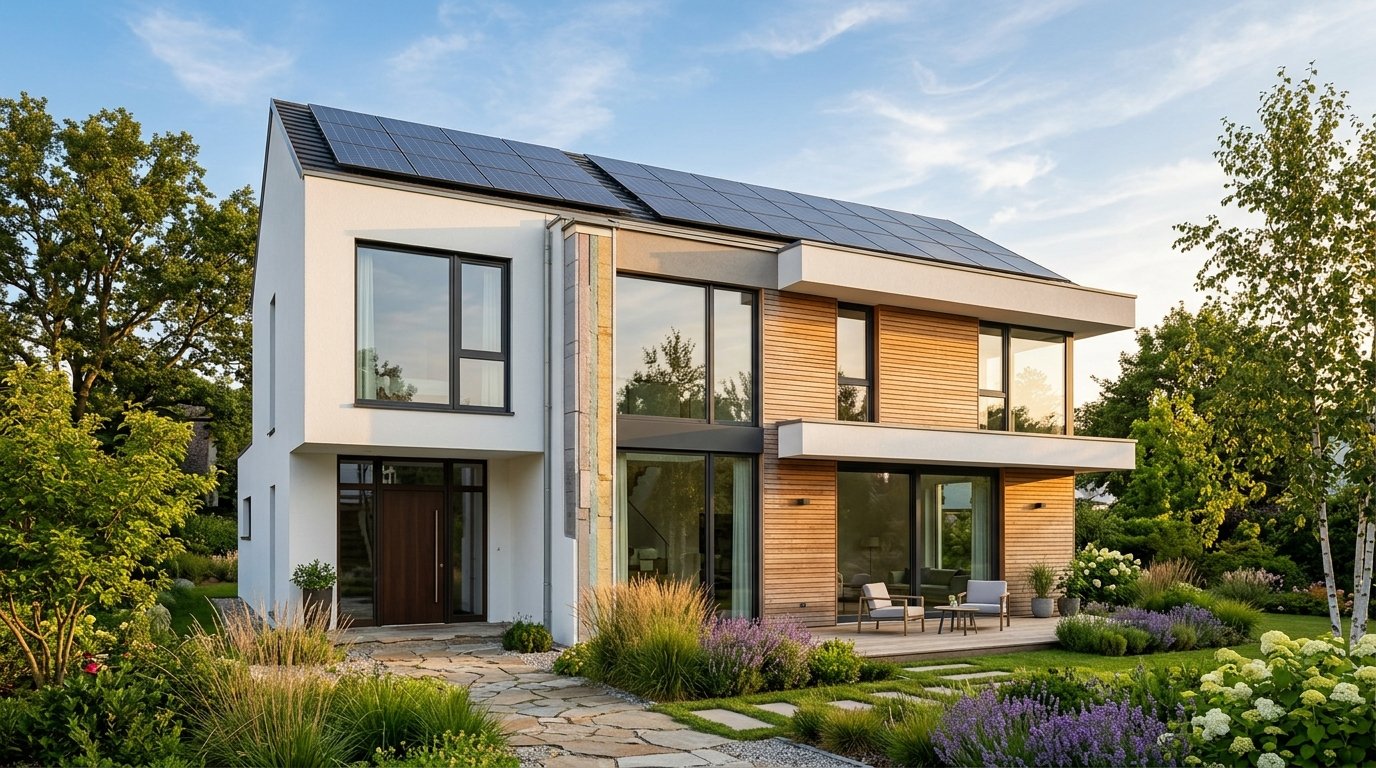
Energy-Efficient Home Improvements That Can Significantly Reduce Household Energy Use
Before investing in expensive rooftop solar panels, homeowners must first optimize their building envelope. Learn the exact order of operations to slash household energy use by 30% to 50%.

How to Choose Furniture for a Small Apartment: Multi-Functionality & Visual Mass
Furnishing a small apartment requires evaluating both physical dimensions and "visual weight." Discover how multi-functional pieces, glass surfaces, and floating millwork transform small spaces.

Modern Interior Design Ideas That Still Feel Warm, Livable & Tactile
Modern design often gets unfairly labeled as cold, sterile, or clinical. By blending clean architectural lines with organic materials, tactile textiles, and warm ambient palettes, you can achieve a modern interior that feels calm, grounding, and deeply welcoming.
Practical Ideas for Better, Smarter Living
Join our readership of homeowners, spatial architects, and living enthusiasts. Receive thoughtful architectural breakdowns, energy-saving insights, and curated home guides every Thursday.