Smart Thermostats and HVAC Zoning: Precision Climate Engineering
In most homes, the heating and cooling of a multi-room layout is dictated by a single thermostat placed in a central first-floor hallway. Because this hallway rarely reflects the thermal load of sun-baked second-floor bedrooms or drafty north-facing offices, central HVAC systems run inefficiently—short-cycling and creating severe temperature imbalances. Smart thermostat systems with distributed wireless occupancy and temperature sensors provide multi-point environmental monitoring, modulating heating and cooling based on real room occupancy rather than arbitrary hallway temps.
Remote Sensor Averaging vs. Dynamic Follow-Me Modes
Modern smart thermostats (such as Ecobee Premium or Nest Learning) utilize distributed remote sensors measuring temperature, humidity, and passive infrared (PIR) occupancy:
- Night Sleep Profiles: Tell the thermostat to ignore the ground-floor sensor completely between 10:00 PM and 7:00 AM, regulating HVAC runtime exclusively based on the average temperature of the occupied bedrooms.
- Occupancy-Based Prioritization: During work hours, the system prioritizes the home office sensor, ensuring the room you are actively sitting in remains at 70°F (21°C) without wasting energy conditioning unoccupied guest rooms.
The C-Wire (Common Wire) & Heat Pump Staging Algorithms
Smart thermostats with color touchscreens and continuous Wi-Fi/Thread radios require continuous 24VAC electrical power. Relying on "power stealing" over the Rc and W wires can damage modern electronic furnace control boards.
Always verify or install a dedicated C-Wire (Common Wire) from your furnace or air handler terminal board. Furthermore, for inverter heat pump systems, configure compressor lockout thresholds (e.g., preventing expensive auxiliary electric resistance heat strips from turning on until outdoor temperatures drop below 20°F / -7°C).
Smart Thermostat Configuration Guidelines for Heat Pumps
| Setting / Parameter | Recommended Configuration | Efficiency & Equipment Protection |
|---|---|---|
| Compressor Minimum Runtime | 5–10 minutes | Prevents compressor wear from rapid short cycling |
| Auxiliary Heat Lockout | 20°F to 25°F (-4°C to -7°C) | Stops expensive electric heat strip activation during mild cold |
| Temperature Differential (Swing) | 1.0°F to 1.5°F | Prevents constant micro-cycling for smoother indoor comfort |
| Geofencing Radius | 3–5 miles from home | Initiates setback recovery before you arrive home |
Frequently Asked Questions
Expert clarifications and real-world considerations
Editorial Summary
Smart thermostats bridge the gap between building comfort and energy conservation. By establishing dedicated C-wire power, placing sensors in high-use rooms, and configuring intelligent heat pump staging, you create a balanced, high-efficiency climate throughout your home.
Written by Julian Mercer
Staff ContributorJulian covers open-source home automation, Matter/Thread wireless architectures, HVAC multi-zone relays, and privacy-first local smart ecosystems.
Related Architectural & Home Guides
Energy-Efficient Home Improvements That Can Significantly Reduce Household Energy Use
Before investing in expensive rooftop solar panels, homeowners must first optimize their building envelope. Learn the exact order of operations to slash household energy use by 30% to 50%.
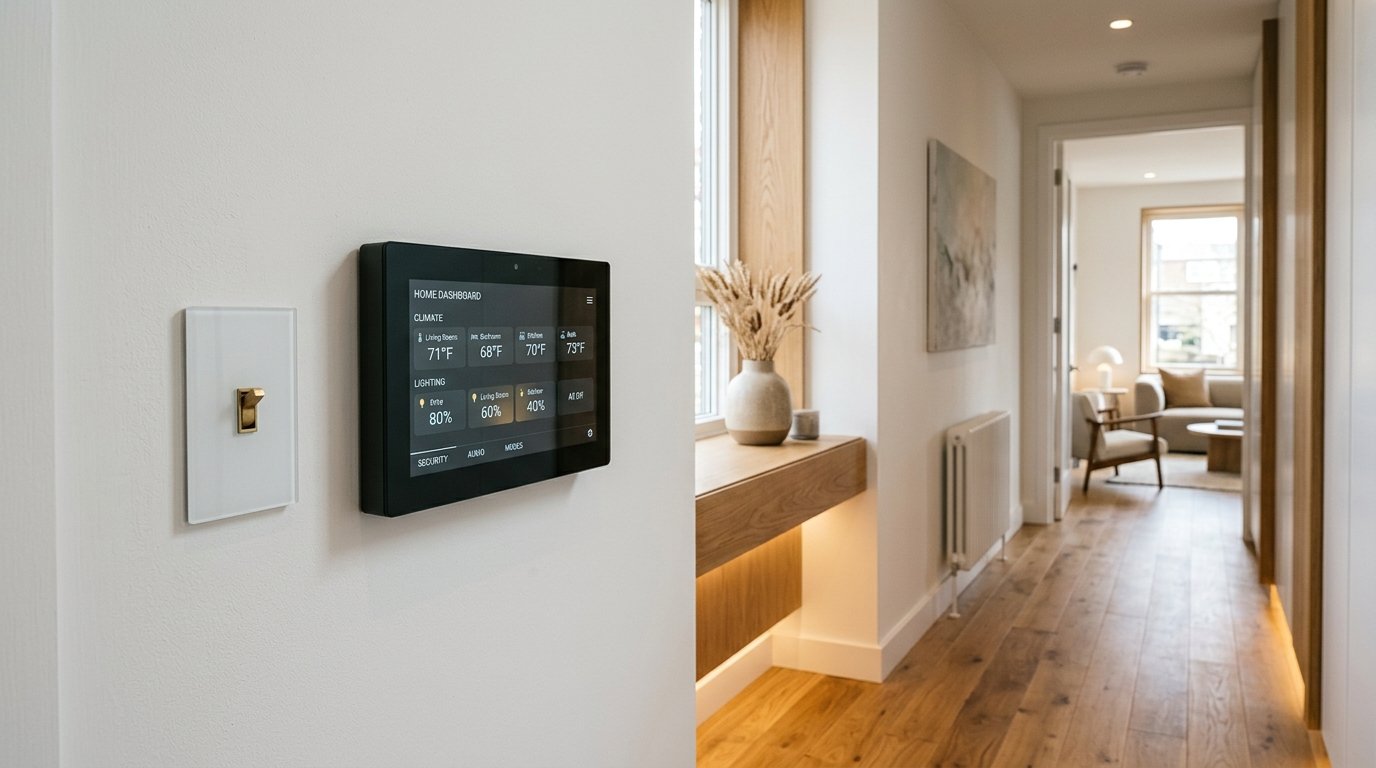
Beginner’s Guide to Smart Home Technology: Ecosystems, Protocols & Reliability
Building a smart home should simplify daily living, not turn you into an on-call IT administrator. Discover the foundational protocols, ecosystems, and architecture for a bulletproof setup.
How to Create an Energy-Efficient Bedroom: Thermal Comfort & Air Quality
Conditioning an entire 2,500 sq ft house to 66°F all night wastes massive energy. Discover how to create an energy-efficient sleeping micro-zone that optimizes sleep quality while minimizing power draw.
Practical Ideas for Better, Smarter Living
Join our readership of homeowners, spatial architects, and living enthusiasts. Receive thoughtful architectural breakdowns, energy-saving insights, and curated home guides every Thursday.