How to Create an Energy-Efficient Bedroom: Thermal Comfort & Air Quality
During overnight sleep hours, human physiology requires a cooler ambient temperature (between 65°F and 68°F / 18°C–20°C) to facilitate core body cooling and deep stage 3/4 slow-wave rest. However, running a central HVAC system to maintain an entire unoccupied house at 66°F all night burns substantial kilowatt-hours or gas. Creating an energy-efficient bedroom combines thermal zoning, high-insulation window treatments, smart nighttime setback schedules, and breathable natural fibers that regulate body micro-climates passively.
Thermal Micro-Zoning: Conditioning Only Where You Sleep
Instead of heating or cooling every empty living room, kitchen, and hallway overnight, establish micro-zoning:
- Ductless Mini-Split Heads: Installing a dedicated 7,000–9,000 BTU high-SEER (SEER2 25+) mini-split in the primary bedroom allows you to maintain exact 66°F sleep temperatures while letting the rest of the house float down to 58°F in winter or up to 78°F in summer.
- Smart Thermostat Schedules: Set automatic 8-degree setbacks 30 minutes before bedtime and schedule warming to begin 20 minutes before your morning alarm.
Passive Temperature Regulation with Natural Bedding Fibers
Synthetic polyester and microfiber sheets trap body moisture against the skin, triggering nighttime sweating and temperature spikes that disrupt sleep.
- Linen & Percale Cotton: Naturally breathable open-weave structures permit air exchange and evaporate perspiration.
- Wool Mattress Protectors & Comforters: Wool fibers can absorb up to 30% of their weight in moisture vapor without feeling damp, acting as a natural micro-climate buffer that keeps you warm in winter and cool in summer.
- ✓Replace synthetic polyester microfiber bedding with 100% long-staple linen or percale.
- ✓Install double-cell blackout shades mounted inside the window jamb to stop perimeter drafts.
- ✓Use a low-wattage (15W) HEPA air purifier on sleep mode to maintain clean air without thermal loss.
Frequently Asked Questions
Expert clarifications and real-world considerations
Editorial Summary
An energy-efficient bedroom delivers better sleep while reducing utility waste. Zone your climate controls, seal your bedroom window envelope, and let natural breathable textiles do the passive thermal heavy lifting.
Written by Marcus Holt, CEM
Staff ContributorMarcus is a Certified Energy Manager focused on residential building envelopes, heat pump retrofits, passive thermal retention, and smart grid appliances.
Related Architectural & Home Guides
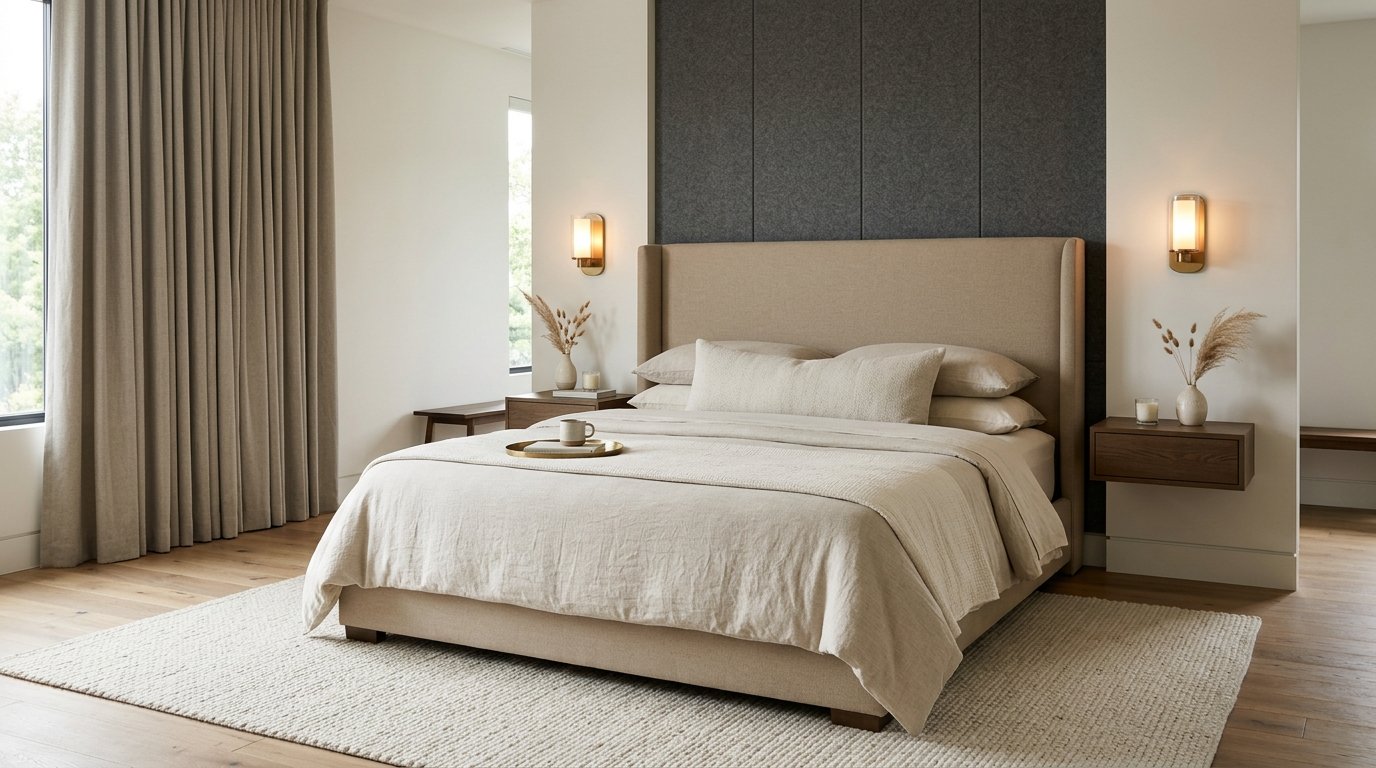
How to Create a Calm & Functional Bedroom: Sleep Science & Spatial Layout
A bedroom should function primarily as a restorative sanctuary for physical recovery and cognitive rest. Here is how sleep science and interior architecture merge to create a tranquil, clutter-free bedroom.
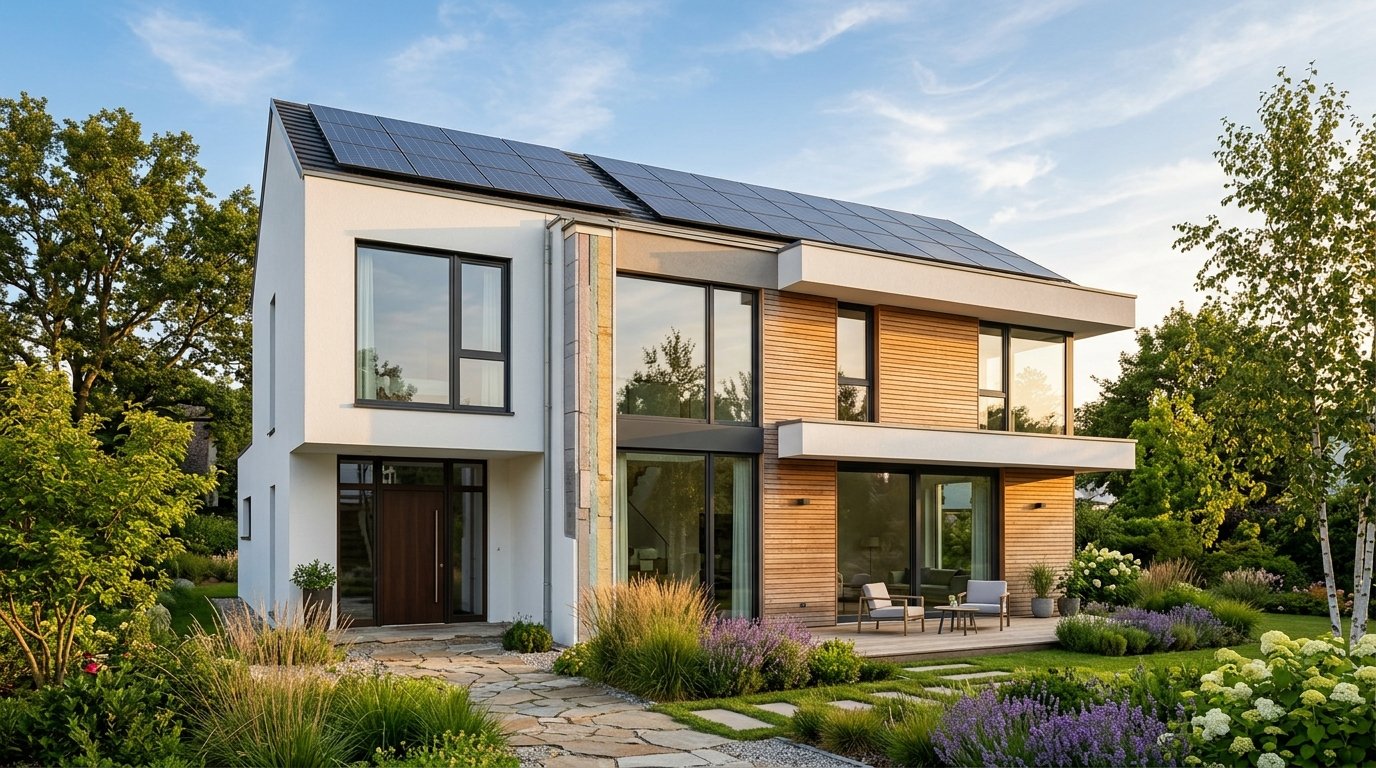
Energy-Efficient Home Improvements That Can Significantly Reduce Household Energy Use
Before investing in expensive rooftop solar panels, homeowners must first optimize their building envelope. Learn the exact order of operations to slash household energy use by 30% to 50%.
How to Reduce Heat Loss Through Windows and Doors: Glazing, Seals & Weatherstripping
Windows and exterior doors represent up to 25% of total residential thermal loss. Discover cost-effective retrofits and architectural glazing specifications that stop drafts cold.
Practical Ideas for Better, Smarter Living
Join our readership of homeowners, spatial architects, and living enthusiasts. Receive thoughtful architectural breakdowns, energy-saving insights, and curated home guides every Thursday.