Indoor Plant Ideas for Different Rooms: Light Levels, Humidity & Care
Biophilic design—the practice of connecting interior architecture with natural elements—has been proven to lower resting heart rates, enhance creative problem-solving, and improve subjective well-being. However, bringing living botanicals indoors frequently leads to frustrated plant owners when tropical species are placed in dark corners or desert succulents rot in humid bathrooms. Successful botanical interior styling requires understanding the foot-candle light levels, airflow, and humidity profiles of each distinct room in your home.
Assessing Light Levels: Foot-Candles and Exposure Direction
Human eyes adjust dynamically to low light, often deceiving us into thinking a corner is bright when it receives fewer than 50 foot-candles (fc) of usable photosynthetic radiation:
- High Light (500–1000+ fc): Unobstructed South or West windows. Perfect for *Ficus lyrata* (Fiddle Leaf Fig), Strelitzia (Bird of Paradise), and Olive trees.
- Medium / Filtered Light (150–400 fc): East-facing morning sun or 5–8 ft back from South windows. Ideal for *Monstera deliciosa*, Rubber Trees (*Ficus elastica*), and Philodendrons.
- Low Light (50–150 fc): North-facing rooms and deep interior corners. Thriving candidates: *Zamioculcas zamiifolia* (ZZ Plant), *Sansevieria* (Snake Plant), and Cast Iron Plant (*Aspidistra elatior*).
Room-by-Room Plant Selection Matrix
Match plants to the specific humidity and temperature dynamics of your rooms:
- Bathrooms (High Humidity, Variable Light): Boston Ferns, Calatheas, and Golden Pothos flourish in shower steam and intermittent light.
- Bedrooms (Low Light, Calming Aesthetics): Peace Lilies and Snake Plants tolerate low light and perform nighttime oxygen exchange.
- Kitchens (Moderate Humidity, High Airflow): Potted culinary herbs (rosemary, thyme, basil) on sunny sills, or hanging trailing Philodendrons over open shelving.
- Living Rooms (Broad Light, Focal Display): Large architectural specimens like *Dracaena marginata* or mature Monsteras anchor seating corners.
Room Microclimate & Recommended Indoor Plant Species
| Room Type | Microclimate Profile | Top 2 Recommended Species | Watering Frequency |
|---|---|---|---|
| Steamy Bathroom | High humidity (60%+), indirect light | Boston Fern, Asplenium Nidus (Bird’s Nest) | Keep soil lightly moist |
| Low-Light Bedroom | Cool (65°F), lower light (50–100 fc) | Snake Plant (Sansevieria), ZZ Plant | Allow to dry completely (every 2–3 weeks) |
| Bright Living Room | High light, central heating dry air | Fiddle Leaf Fig, Monstera Deliciosa | When top 2 inches of soil are dry |
| Kitchen Counter | Moderate light, grease/heat swings | Pothos (Epipremnum), Peperomia | Weekly, allow slight drying |
Frequently Asked Questions
Expert clarifications and real-world considerations
Editorial Summary
Selecting the right indoor botanicals is about respecting natural plant biology. Match species to your room’s natural light levels and humidity, use pots with adequate drainage, and enjoy the calming organic beauty of living greenery.
Written by Elena Vance
Staff ContributorWith over 14 years in residential spatial planning and interior architecture, Elena specializes in small-space optimization, biophilic textures, and lighting design.
Related Architectural & Home Guides
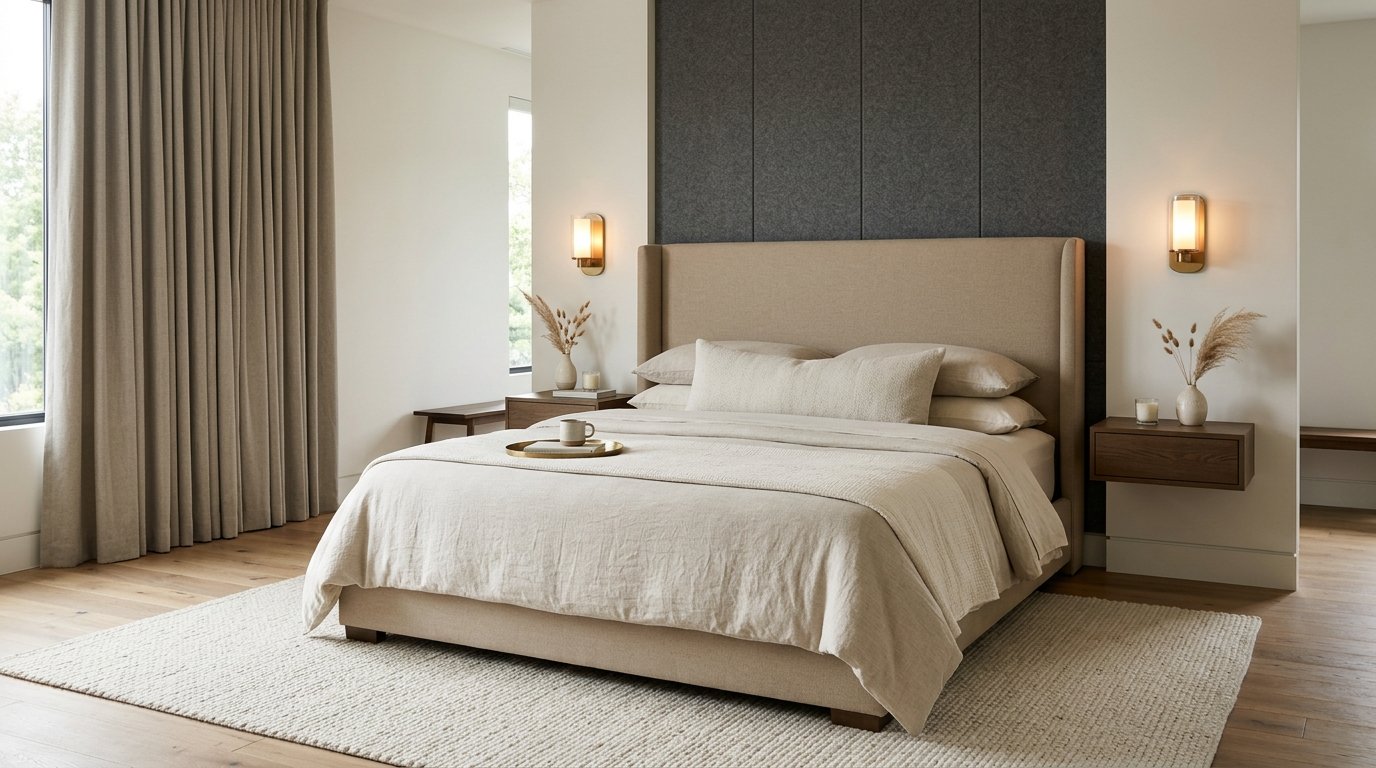
How to Create a Calm & Functional Bedroom: Sleep Science & Spatial Layout
A bedroom should function primarily as a restorative sanctuary for physical recovery and cognitive rest. Here is how sleep science and interior architecture merge to create a tranquil, clutter-free bedroom.

Sustainable Interior Design Ideas for Modern Homes: Low-VOC & Circular Materials
Sustainable interior design is not about sacrificing luxury or visual elegance; it is about choosing durable, non-toxic materials with transparent lifecycles that safeguard indoor air quality and reduce environmental impact.
How to Create Better Natural Lighting at Home: Daylight Harvesting & Glare Control
Natural sunlight elevates serotonin, regulates sleep cycles, and brings interior architecture to life. Discover how to harvest natural daylight, eliminate harsh glare, and illuminate dark rooms without adding artificial fixtures.
Practical Ideas for Better, Smarter Living
Join our readership of homeowners, spatial architects, and living enthusiasts. Receive thoughtful architectural breakdowns, energy-saving insights, and curated home guides every Thursday.