How to Create Better Natural Lighting at Home: Daylight Harvesting & Glare Control
Direct sunlight is dynamic, shifting in intensity, angle, and Kelvin temperature throughout the day. However, simply throwing open windows often results in severe localized glare, hot spots, and UV fading on timber floors, while leaving central hallways in deep shadow. Effective daylight design (known in building science as daylight harvesting) focuses on diffusing direct solar rays, bouncing ambient light deep into the building core, and treating interior surfaces with high Light Reflectance Values (LRV).
Understanding Light Reflectance Value (LRV) on Walls and Ceilings
Every paint color carries an LRV rating from 0 (absolute black absorbing all light) to 100 (pure reflective white). In rooms with north-facing or limited window exposure, painting walls in colors with an LRV of 65 to 78 maximizes light bounce without creating harsh, sterile glare.
Ceilings should consistently feature an LRV of 80+, as the ceiling acts as a massive natural reflector, bouncing horizontal daylight downward across work and seating surfaces.
Diffusing Glare with Open-Weave Sheers and Solar Blinds
Direct south- and west-facing sunlight creates intense contrast ratios that strain the human eye and cause occupants to close heavy blinds, plunging the room into darkness.
Install double-track window treatments pairing semi-sheer linen drapes (or 3% openness solar roller shades) with blackout drapery. The sheer layer breaks harsh direct beams into a soft, glowing ambient field, illuminating the room up to 15 feet deeper from the window wall.
Frequently Asked Questions
Expert clarifications and real-world considerations
Editorial Summary
Maximizing natural light requires thoughtful light diffusion and surface reflectivity. By selecting optimal LRV paints, installing dual-track sheer drapery, and introducing interior glass transoms, you can transform dark rooms into bright, uplifting living spaces.
Written by Elena Vance
Staff ContributorWith over 14 years in residential spatial planning and interior architecture, Elena specializes in small-space optimization, biophilic textures, and lighting design.
Related Architectural & Home Guides
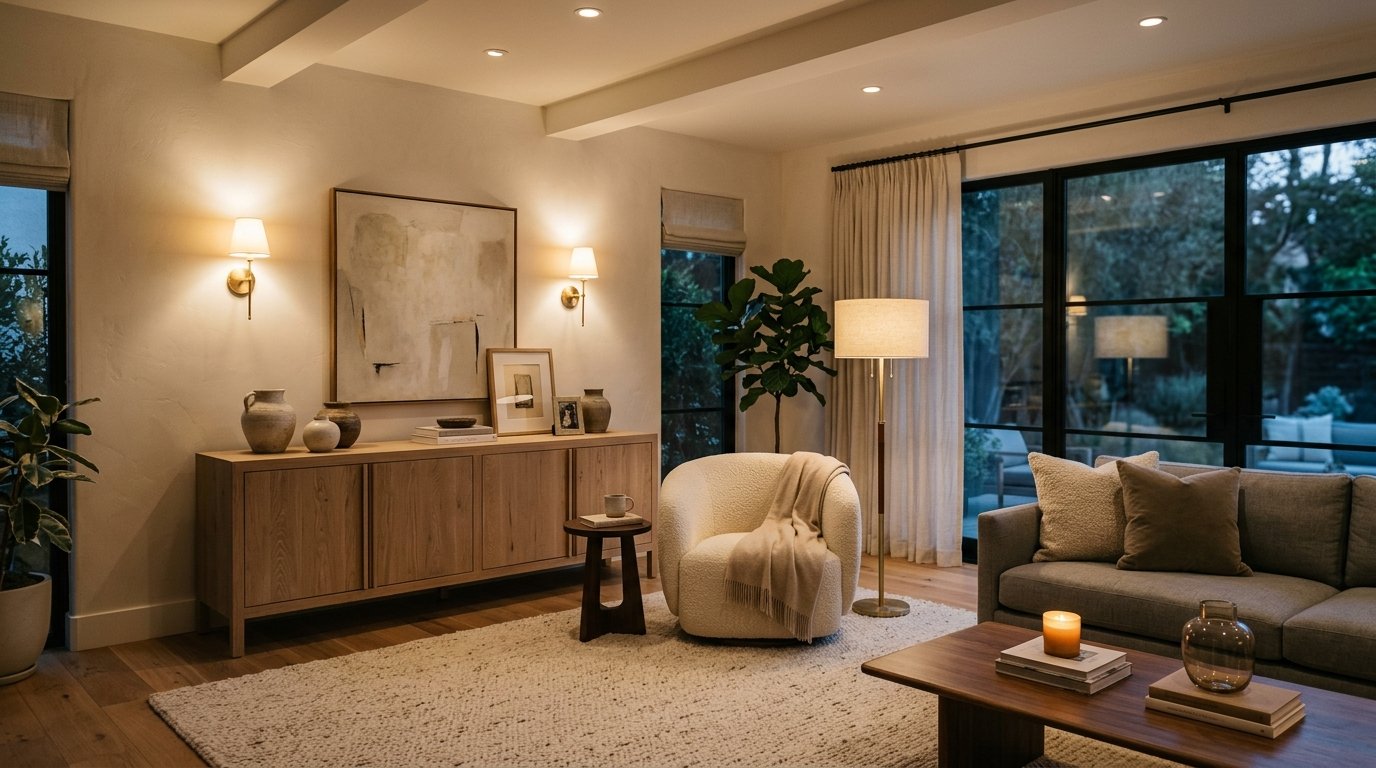
How to Choose the Right Lighting for Every Room: Kelvin, Lumens & Layering
Lighting is the most transformative yet frequently misunderstood element of interior design. Discover how to calculate lumens per room, balance color temperatures, and create a 3-layer lighting scheme.
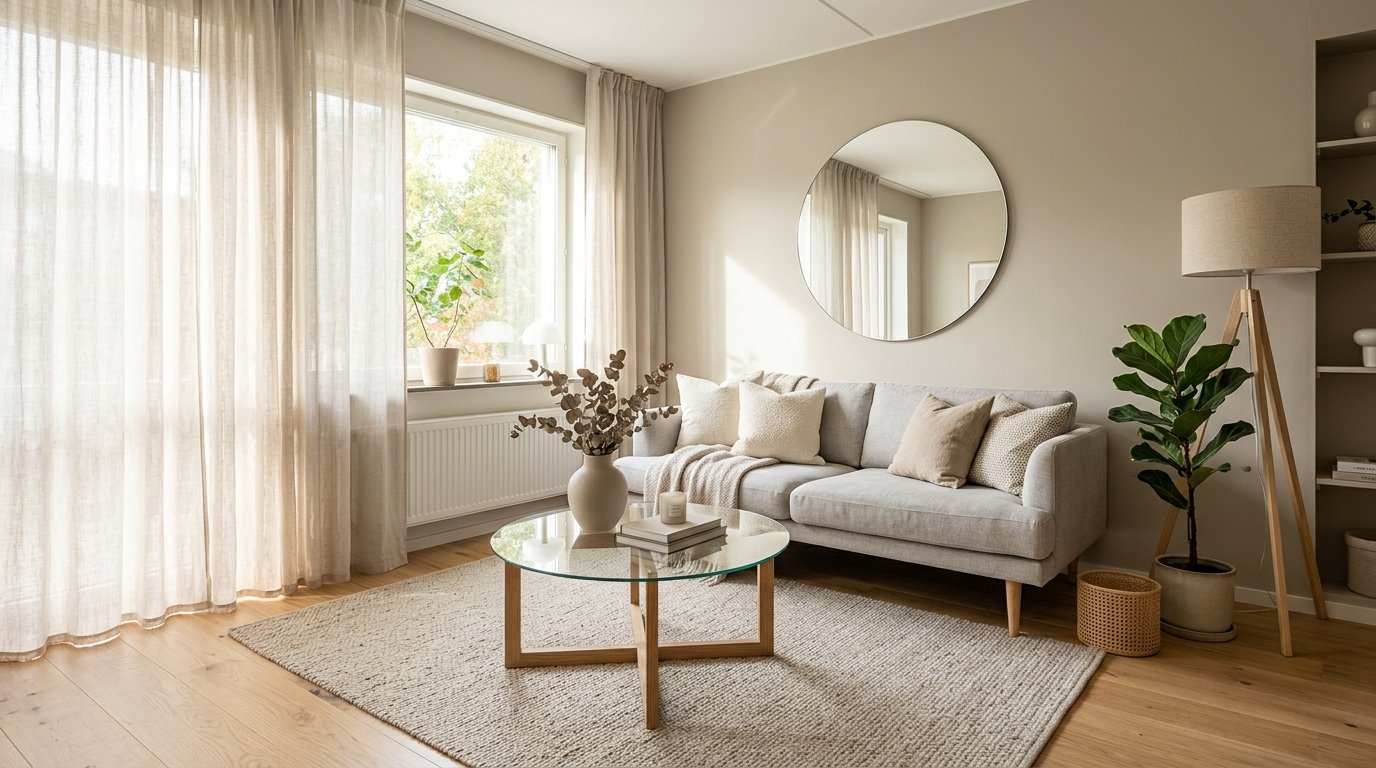
How to Make a Small Living Room Feel Larger: Architectural Principles & Visual Depth
Making a compact living room feel spacious is not about cramming tiny furniture into corners; it is about manipulating sightlines, preserving continuous floor visibility, and controlling light reflectance.

How to Choose Paint Colors for Different Rooms: Undertones & Natural Light
Selecting interior paint colors is one of the most daunting home design decisions. Discover how window exposure, underlying color pigments, and artificial lighting interact to ensure your paint looks flawless.
Practical Ideas for Better, Smarter Living
Join our readership of homeowners, spatial architects, and living enthusiasts. Receive thoughtful architectural breakdowns, energy-saving insights, and curated home guides every Thursday.