How to Choose Energy-Efficient Appliances: Energy Star, Lifecycles & Real ROI
Major household appliances run continuously or cycle daily for 10 to 15 years. When shopping for replacements, focusing solely on the purchase price ignores the "second price tag"—the cumulative lifetime utility cost of running the machine. An appliance that costs $150 less upfront but consumes 400 extra kilowatt-hours annually will cost you several hundred dollars more over its working lifespan. Understanding energy guide labels, variable-speed inverter compressors, and closed-loop heat pump drying technology ensures you maximize both performance and lifetime savings.
How to Correctly Read the Yellow EnergyGuide Label
The yellow EnergyGuide label provides verified annual consumption metrics:
- Estimated Yearly Electricity Use (kWh): Multiply this number by your local utility rate (e.g., $0.18/kWh) to compute true annual operating expenses.
- Energy Star "Most Efficient" Tier: Represents the top 5% of energy performers in the industry, surpassing minimum federal energy codes by 20% to 50%.
- Inverter Motor Technology: Look for appliances powered by brushless DC inverter motors, which modulate power continuously rather than cycling aggressively between 0% and 100%.
Game-Changing Appliance Technologies Worth the Upgrade
Three specific modern appliance technologies represent revolutionary efficiency leaps:
- Induction Cooktops (85%–90% Efficiency): Gas burners transfer only 35%–40% of their thermal energy to the cookware (wasting 60% into ambient kitchen heat). Induction uses magnetic fields to heat the pan directly, boiling water in half the time with zero indoor combustion byproducts.
- Ventless Heat Pump Dryers (50%–60% Energy Reduction): Standard vented dryers blast 200 cubic feet per minute of conditioned indoor air outside through an exhaust duct. Heat pump dryers recirculate and dehumidify warm air in a closed loop with no exterior vent required.
- Inverter Linear Refrigerators: Maintain precise internal temperatures within ±0.5°F, extending food freshness while operating at whisper-quiet 36 dBA decibel levels.
Appliance Technology & Efficiency Benchmarks
| Appliance Category | Standard Legacy Tech | High-Efficiency Modern Tech | Energy Reduction % |
|---|---|---|---|
| Cooktop | Gas Flame (38% efficient) | Magnetic Induction (88% efficient) | 50%+ less total energy |
| Clothes Dryer | Vented Electric Resistance (4 kWh/cycle) | Ventless Heat Pump (1.5 kWh/cycle) | 60% electricity savings |
| Dishwasher | Old Timer Cycle (10 gal/cycle) | Soil-Sensor Eco Mode (3.2 gal/cycle) | 65% water & water-heating drop |
| Refrigerator | Single-Speed Compressor | Variable Inverter Linear Compressor | 30% lower continuous base load |
Frequently Asked Questions
Expert clarifications and real-world considerations
Editorial Summary
Selecting energy-efficient appliances transforms your home into a low-operating-cost, high-performance ecosystem. Prioritize Energy Star Most Efficient models, embrace induction cooking and heat pump drying, and enjoy lower utility bills for years to come.
Written by Marcus Holt, CEM
Staff ContributorMarcus is a Certified Energy Manager focused on residential building envelopes, heat pump retrofits, passive thermal retention, and smart grid appliances.
Related Architectural & Home Guides
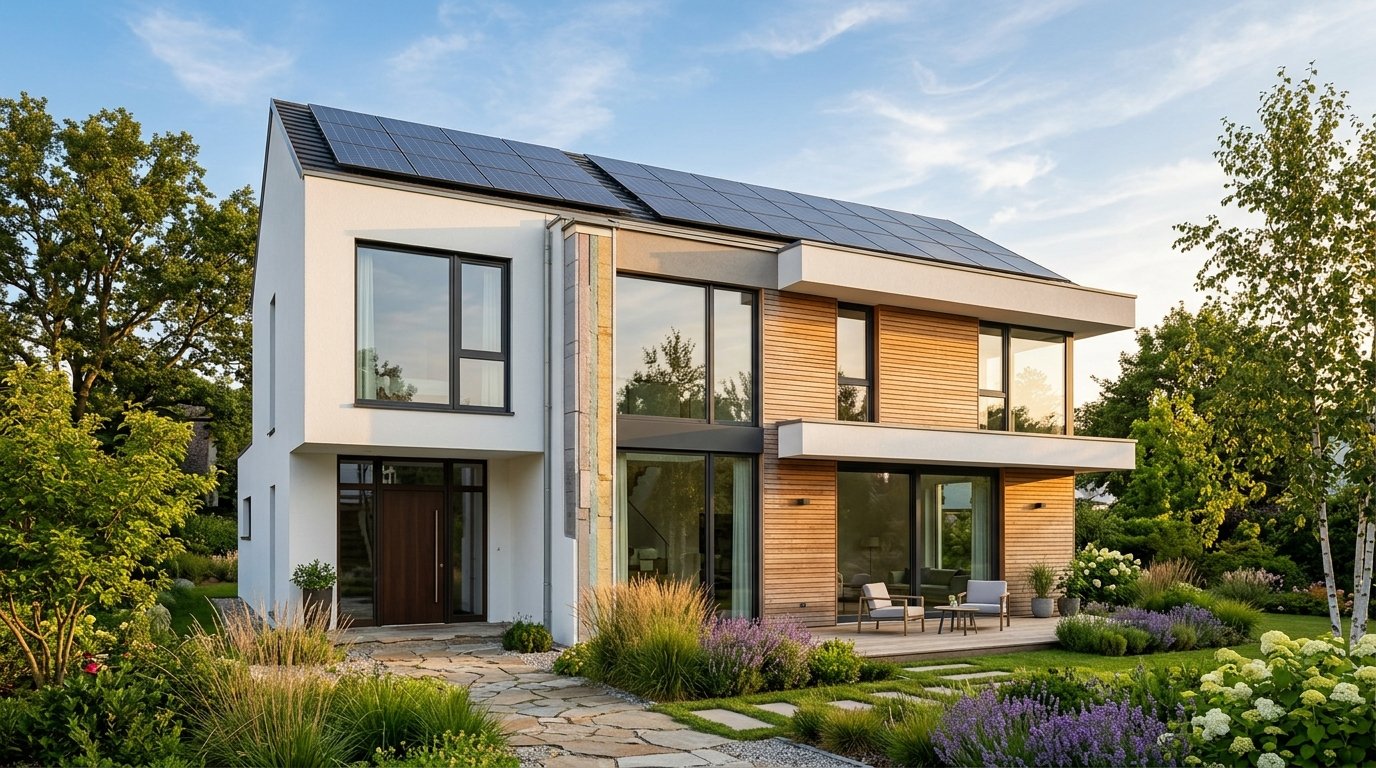
Energy-Efficient Home Improvements That Can Significantly Reduce Household Energy Use
Before investing in expensive rooftop solar panels, homeowners must first optimize their building envelope. Learn the exact order of operations to slash household energy use by 30% to 50%.
Sustainable Interior Design Ideas for Modern Homes: Low-VOC & Circular Materials
Sustainable interior design is not about sacrificing luxury or visual elegance; it is about choosing durable, non-toxic materials with transparent lifecycles that safeguard indoor air quality and reduce environmental impact.
How to Reduce Heat Loss Through Windows and Doors: Glazing, Seals & Weatherstripping
Windows and exterior doors represent up to 25% of total residential thermal loss. Discover cost-effective retrofits and architectural glazing specifications that stop drafts cold.
Practical Ideas for Better, Smarter Living
Join our readership of homeowners, spatial architects, and living enthusiasts. Receive thoughtful architectural breakdowns, energy-saving insights, and curated home guides every Thursday.